








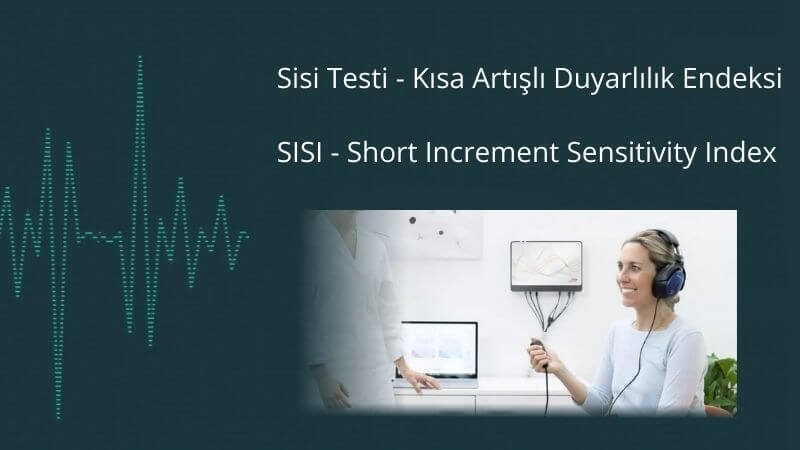
SISI Testi (Short Increment Sensitivity
Index)
Tanımı ve Tarihçesi
SISI Testi (Türkçede Kısa
Artış Duyarlılık İndeksi olarak ifade edilebilir), işitme sisteminin
özellikle iç kulak (koklea) ve işitme siniri fonksiyonlarını değerlendiren bir
eşik-üstü işitme testidir. Bu test, bir kişinin çok küçük şiddet değişimlerini
algılama yeteneğini ölçer. Normal işitmeye sahip bireyler bu denli küçük ses
şiddeti artışlarını fark edemezken, kokleasında hasar (sensörinöral işitme
kaybı) olan bireyler bazen bu küçük artışları algılayabilirler. SISI testinin
altında yatan prensip, rekrütman adı verilen olgudur. Rekrütman, koklear
işitme kayıplarında görülen ve sesi algılama şiddetinin anormal derecede hızlı
artmasıyla karakterize bir durumdur – yani işitme eşiği ile rahatsız edici
yüksek seviyeler arasındaki dinamik aralığın daralmasıdır. Bu nedenle
SISI, kokleada hasar olduğunda ortaya çıkan küçük ses şiddeti
dalgalanmalarına karşı artmış duyarlılığı ölçer.
SISI testinin ilk geliştirildiği dönem 1950’lerin
sonlarıdır. 1959 yılında James Jerger ve çalışma arkadaşları (Shedd ve
Harford), koklear kaynaklı işitme kaybını retrokoklear (işitme siniri veya
merkezi) kayıptan ayırt etmek için bu testi tanımlamışlardır. Jerger’in
1950’lerde yaptığı çalışmalar, koklear patolojilerde normalden daha küçük ses
farklarının algılanabildiğini göstermiş ve bu testin temelini oluşturmuştur.
SISI testinin, dönemin bir diğer önemli testi olan Carhart’ın tonal adaptasyon
(tone decay) testinin hemen ardından ortaya çıkması tesadüf değildir; her iki
test de işitme kaybının yerini (koklea mı, sinir mi) saptamaya odaklanarak o
dönemde özellikle akustik nörinom (işitme siniri tümörü) tanısında odyologlara
kritik bir araç sağlamıştır. Kısacası, SISI testi 1960’lara girerken tanısal
odyolojide büyük ilgi görmüş ve odyologların koklear hasarı tespit etmesinde
çığır açan bir yöntem olmuştur.
Testin Uygulanışı (Yöntem ve Prosedür)
SISI testinin uygulanması, özel ayarlamalar yapabilen bir
klinik odyometre cihazı gerektirir. Test her bir kulak için ayrı ayrı yapılır
ve genellikle 500, 1000, 2000, 4000 Hz gibi temel frekanslarda uygulanır
(özellikle işitme kaybının olduğu frekanslar hedeflenir). Teste başlamadan önce
hastaya/deneye verilecek talimat çok nettir: “Bir süreklilik gösteren bir
ton duyacaksınız. Zaman zaman bu tonun ses şiddeti çok hafif şekilde aniden
artacaktır. Sesi her fark ettiğinizde elinizi kaldırmanızı (veya butona
basmanızı) istiyoruz.” Bu şekilde birey, neyi dinlemesi gerektiğini anlar.
Test prosedürü
şöyle özetlenebilir: Önce odyometre ile belirlenen test frekansındaki işitme
eşiğinin 20 dB üstünde sabit bir referans ton verilir. Bu referans ton
kulağa sürekli olarak gelirken, yaklaşık her 5 saniyede bir tona çok
kısa süreli (~0.2 saniye) ve küçük bir artış eklenir. Bu artış genellikle
sadece +1 dB’lik bir şiddet yükselmesidir (yani tonun ses seviyesi anlık
olarak 1 desibel artırılır). Hasta bu küçük “sıçrama”yı duyduğunda sinyal
vermelidir. Toplamda 20 adet 1 dB’lik artış, 5 saniyelik aralıklarla
sunulur. Bu 20 artışın her biri için hastanın tepki verip vermediği kaydedilir.
Test süresi yaklaşık 1-2 dakika kadardır ve kişinin konsantrasyonunu koruması
önemlidir. Hastanın yanıtlarının güvenilir olmasını sağlamak için, bazı
protokoller her 5 küçük artıştan sonra bir kez daha büyük bir artış (örneğin
+5 dB) ekleyerek deneği “uyandırır” veya teste karşı dikkatini taze tutar.
Ayrıca test öncesinde 2–5 dB’lik deneme artışları yapılarak kişi
alıştırılabilir. Bu sayede kişi 1 dB’lik değişimin nasıl bir şey olduğu
konusunda fikir sahibi olur ve yanlış negatif/pozitif tepkiler azalır.
Tüm sunumlar bittikten sonra doğru şekilde tespit edilen
artışların sayısı belirlenir. Örneğin 20 artıştan 10 tanesini doğru fark eden
bir kişi için %50 skor elde edilecektir (doğru yanıt sayısı 5 ile
çarpılarak yüzdeye çevrilir). SISI skoru bu yüzde değer olarak rapor edilir.
Test sırasında eğer ihtiyaç varsa, test edilen kulağın gerçek tepkilerini izole
etmek için karşı kulağa maskeleme gürültüsü verilebilir (özellikle test edilen
kulakta ileri derecede kayıp, karşı kulakta iyi işitme varsa ses diğer kulağa
kaçabilir). SISI uygulaması mutlaka bir odyolog veya uzman bir profesyonel
tarafından yapılmalı ve sonuçlar da bu uzman tarafından yorumlanmalıdır; çünkü
testin doğru uygulanması ve yorumlanması belirli bir deneyim gerektirir.
Klinik Tanıdaki Kullanımı ve İşlevi
SISI testinin klinikteki en önemli kullanım amacı, sensörinöral
tipte işitme kaybının koklear (iç kulak kaynaklı) mi yoksa retrokoklear (işitme
siniri veya merkezi kaynaklı) mi olduğunu anlamaya yardımcı olmaktır. Bu
ayrım, tedavi ve rehabilitasyon planlaması açısından kritik bir öneme sahiptir.
SISI testinin mantığı şudur: Eğer işitme kaybı kokleadan kaynaklanıyorsa
(örneğin dış ya da iç tüylü hücrelerde hasar varsa), kişi 1 dB gibi çok
küçük ses artışlarını bile belirli bir seviyenin üzerinde algılamaya
başlayabilir (çünkü kokleada rekrütman vardır). Buna karşılık işitme
kaybı işitme siniri veya sinir yolu gibi koklea sonrasındaki yapılardan
kaynaklanıyorsa (örneğin akustik nörinom gibi durumlar), kişi bu küçük
artışları genellikle tespit edemez; zira problem “sesin algılanması”ndan ziyade
sinir iletimindedir ve rekrütman gözlenmez. Dolayısıyla, SISI testinde yüksek
bir yüzde skor (çok sayıda 1 dB artışı fark etmek) elde edilmesi, koklear
patoloji lehine, düşük bir skor (küçük artışların çoğunu duyamamak) ise retrokoklear
patoloji lehine yorumlanır. Örneğin test sonucunda %80 gibi bir değer
çıkması, iç kulaktaki duyma hücrelerinin hasarına işaret edebilirken; %10 gibi
bir değer çıkması, işitme siniriyle ilgili (koklea sonrası) bir sorun
olabileceğini düşündürür.
Bu test, özellikle 1960’lı ve 70’li yıllarda odyologlar
tarafından tanısal amaçla sıkça kullanıldı. O dönemde beyin sapı odyometrisi
(ABR) veya manyetik rezonans görüntüleme gibi ileri tetkikler yaygın
olmadığından, koklear lezyon mu yoksa 8. sinir lezyonu mu olduğunu anlamak için
SISI ve benzeri supraliminel (eşik üstü) odyometri testleri büyük önem
taşıyordu. SISI testinin, Carhart’ın tonal adaptasyon testiyle birlikte,
özellikle akustik nörinom (vestibüler schwannoma) gibi işitme siniri
tümörlerinin erken tanısında odyologlara yol gösterdiği kaydedilmektedir.
Örneğin, tek taraflı işitme kaybı olan bir hastada SISI testi o kulakta %0
sonucunu verirse (yani hasta 1 dB’lik değişimleri hiç fark edememişse) ve karşı
kulakta sonuç normal ise, bu retrokoklear bir probleme işaret edebileceğinden
ileri görüntüleme tetkikleri istenirdi.
Günümüzde teknolojinin ilerlemesiyle birlikte SISI gibi
davranışsal testlerin kullanım alanı bir miktar daralmıştır. Objektif testler
(örneğin stapes refleksi ölçümü, ABR – işitsel beyin sapı yanıtları ve MRI gibi
görüntüleme yöntemleri) tanıda ön plana çıkmıştır. Ancak buna rağmen SISI testi
tamamen terk edilmiş değildir; özellikle koklear patolojinin varlığını
doğrulamak veya iç kulağın küçük değişimleri algılama kapasitesini
değerlendirmek için bazı kliniklerde hala kullanılmaktadır. Örneğin, koklear
implant adayı hastaların değerlendirilmesinde, mevcut işitme cihazlarından
fayda görüp görmediğini anlamak veya lezyonun kokleada sınırlı olduğuna emin
olmak için bir test bataryasının parçası olarak SISI testi uygulanabilmektedir.
Yine SISI, hiperakuzi (seslere karşı aşırı hassasiyet) şikâyeti olan
kişilerde, sorunun olası koklear kaynaklı olup olmadığını değerlendirmede de
faydalı olabilir. Örneğin, normal işitme eşiklerine sahip bir kişi SISI
testinde anormal derecede yüksek bir yüzdeyle 1 dB’lik değişimleri duyduğunu
belirtiyorsa, bu durumda koklear bir rekrütman durumu olmasa bile
merkezi sinir sistemindeki ses işleme mekanizmalarında bir hassasiyet artışı
(hiperakuzi) söz konusu olabilir. Bu ayrım, hiperakuzi ile fonofobi (ses
korkusu) gibi durumların ayırt edilmesinde önem taşır ve SISI testi bu klinik
karar sürecine katkı sunabilir.
Özetle, SISI testinin klinikte temel işlevi, işitme
kaybının nedenini daha iyi anlamak ve uygun tedavi/cihaz planını belirlemektir.
Koklear hasar tespit edilirse işitme rehabilitasyonu (ör. işitme cihazları veya
implantlar) ön plana çıkar; retrokoklear bir durum tespit edilirse nörolojik
değerlendirme ve tedavi (ör. tümör yönetimi) gündeme gelir. SISI testi bu
ayrımda değerli bir veri noktası olarak kullanılmaktadır.
İşitme Cihazı Uyarlamalarındaki Rolü ve
Katkısı
SISI testinin sonuçları, işitme cihazı uygulamalarında da
yol gösterici olabilir. Özellikle pozitif SISI testi (yüksek yüzde,
rekrütman varlığı) saptanan hastalarda, koklear hasara bağlı olarak işitme
cihazı ile amplifikasyon yaparken dikkat edilmesi gereken önemli noktalar
vardır. Rekrütman varlığı, hastanın dinamik aralığının daralmış olduğunu,
yani sesi algılamaya başladığı seviye ile rahatsız olduğu seviye arasındaki
farkın azaldığını gösterir. Bu durumda işitme cihazı ayarlanırken, düşük
seviyeli sesler yeterince güçlendirilirken yüksek seviyeli seslerin rahatsızlık
yaratmaması için kısıtlanması gerekir. Modern dijital işitme cihazlarında
bulunan çok kanallı sıkıştırma (compression) teknolojisi, tam da bu
sorunu çözmek için tasarlanmıştır: Yüksek sesleri otomatik olarak baskılayıp,
daha alçak sesleri yükselterek kullanıcının her seviyedeki sesi konforlu bir
şekilde duymasını sağlar. SISI testi, bir bireyin 1 dB’lik değişimleri algılayabildiğini
ortaya koyarsa, bu bireyin muhtemelen yüksek seslere toleransının düşük
olduğunu ve cihaz kazancının dikkatle sınırlandırılması gerektiğini
gösterir. Bu bilgi, odyoloğun cihaz programlama aşamasında hedef kazanç
değerlerini ve maksimum çıkış düzeylerini (MPO) belirlerken yol gösterir.
Örneğin, iç kulak hasarlı (koklear) bir hastada SISI
sonucu %80 çıktığında, odyolog bilir ki bu kişinin küçük şiddet artışlarına
duyarlılığı yüksektir. Dolayısıyla bu kişiye verilecek işitme cihazında,
yüksek sesleri hızla sıkıştırarak rahatsızlığı önleyecek bir ayar yapmak kritik
olacaktır. Aksi takdirde, rekrütmanı olan bir kulağa lineer (sıkıştırmasız) bir
cihaz verilmesi, kişi için ani ve rahatsız edici ses artışları anlamına
gelebilir. SISI testinden elde edilen bulgu, bu riske işaret ettiği için,
işitme cihazı uyarlamasında cihazın çıkış gücünü sınırlamak ve fazla
amplifikasyonu önlemek gerekebilir. Ayrıca, SISI testinin frekans bazında
uygulanabilmesi (her frekansa ayrı skor alınması) işitme kaybının hangi
frekanslarda recruitment gösterdiğini ortaya koyar. Örneğin, sadece 1000 Hz’de
%80 SISI pozitif, diğer frekanslarda negatif olan bir kulakta, rekrütman sadece
belirli bir frekans aralığında olabilir. Bu durumda ilgili frekans bantlarında
cihazın kazancı daha dikkatli düzenlenir.
Diğer taraftan, SISI testi negatif çıkan (yani 1
dB farkları algılayamayan) bir sensörinöral kayıp vakasında, kayıp koklear
olmayıp retrokoklear kaynaklı olabilir. Bu gibi vakalarda işitme cihazından
beklenen fayda farklıdır; genellikle retrokoklear patolojilerde distorsiyon ve
anlaşılırlık problemleri daha öndedir. Dolayısıyla SISI testi negatif ise ve
diğer testlerle de uyumlu olarak retrokoklear bir durum düşünülüyorsa, odyolog
işitme cihazı uygulamasında beklentileri ona göre ayarlar. Cihaz sadece
amplifikasyon sağlamakla kalmayacak, belki de hastanın dudak okuma, işitme
rehabilitasyonu gibi ek yöntemlere ihtiyacı olabilecektir. Yine de SISI’nin
asıl rolü koklear patolojiyi saptamak olduğundan, negatif bir SISI testinin
işitme cihazı uyarlamasındaki katkısı daha çok “dikkat, bu hasta muhtemelen
klasik bir koklear kayıp değil” şeklinde, yani dolaylı bir uyarıdır.
Son olarak, SISI ve benzeri supraliminel testler
günümüzde işitme cihazı kullanıcılarının yüksek sese toleransını
değerlendirmede de kullanılır hale gelmiştir. Özellikle hiperakuzi veya ses
tolerans problemi olan hastalarda, cihaz amplifikasyonunun hangi düzeye kadar
tolere edilebileceğini ön görmek için SISI testinden yararlanılabilir.
Hiperakuzik bir birey, SISI testinde normal işitme eşiğine sahip olsa dahi
yüksek yüzdeyle tepki veriyorsa, bu kişi cihaz kullanırken çevresel seslere
karşı tahmin edilenden daha hassas olabilir. Bu bilgi, cihazın uyarlanmasında
daha yumuşak bir sıkıştırma ve gürültü yönetimi stratejisi belirlemeyi
gerektirir. Kısacası SISI testi, işitme cihazı uygulamalarında kişiye özel
ayarların yapılmasına katkı sunan, iç kulağın ses duyarlılığına dair
ipuçları veren bir araçtır.
Avantajları ve Sınırlılıkları
Avantajları:
SISI testi, nispeten hızlı ve invaziv olmayan bir değerlendirme sunar.
Uygulaması basittir ve klasik bir odyometrik test odasında kolayca yapılabilir.
Özellikle koklear patolojilerin tespitinde oldukça duyarlı bir göstergedir
– normal odyometri ile sadece işitme eşiğini ölçerken, SISI ile iç kulağın şiddet
değişimlerine verdiği tepki ölçülebilir. Bu da tanıda ekstra bir boyut
kazandırır. Örneğin Meniere hastalığı gibi koklea kaynaklı durumlarda SISI
genellikle pozitif çıkarak tanıyı desteklerken, otoskleroz gibi iletim tipi
veya retrokoklear tip kayıplarda negatif çıkarak ayırıcı tanıya katkı verir.
Tarihsel olarak bakıldığında, SISI testi odyologların akustik tümörleri
fark etmelerinde önemli bir rol oynamıştır; bu açıdan audioloji tarihinin
klasik testlerinden biridir. Günümüzde de halen, bazı klinik protokollerde akustik
refleks testleriyle birlikte kullanılarak sensörinöral kaybın doğasını
aydınlatmada fayda sağlamaktadır. Ayrıca rekrütman varlığını objektif olarak
göstermesi, işitme rehabilitasyonunun planlanmasında (özellikle koklear implant
aday seçiminde veya ileri dijital cihaz ayarlarında) değerli bilgiler sunar.
Hiperakuziyi fonofobiden ayırt etmek veya bir hastanın üst ses eşiğini
(rahatsızlık düzeyini) öngörmek için de kullanılabilmesi, SISI testinin
klinikte çok yönlü bir araç olduğunu gösterir.
Sınırlılıkları:
SISI testinin bazı kısıtları ve dikkat edilmesi gereken noktalar da vardır. İlk
olarak, testin uygulanabilmesi için işitme kaybının belirli düzeyde olması
gerekir. Genel olarak işitme eşiği 40 dB HL’den iyi (daha düşük) olan
frekanslarda SISI testi anlamlı sonuç vermez; zira normal veya hafif
kayıplı bir kulakta 20 dB SL’de sunulan 1 dB’lik artışlar, kokleada rekrütman
olmadığından algılanamaz ve test doğal olarak negatif çıkar. Bu nedenle SISI, en
az orta derece (≈ ≥40 dB HL) sensörinöral kayıplarda uygulanması önerilen
bir testtir. Benzer şekilde, işitme kaybı çok ileri ise (örneğin eşik >80 dB
HL), testin doğruluğu düşebilir. Çünkü böyle durumlarda 20 dB SL demek, 100 dB
gibi oldukça yüksek bir uyarı anlamına gelir ve bu seviyede kişi belki 1 dB’lik
farkı hissedebilir ancak bu aşırı yüksek seslerin genel etkisinden de
kaynaklanabilir. Nitekim kaynaklar, SISI testinin 60 dB HL üzeri mutlak
şiddetlerde uygulanmamasını, çünkü çok yüksek şiddetlerin küçük farkları
algılamayı kolaylaştırarak testi yanıltabileceğini belirtmişlerdir.
Bir diğer sınırlama, SISI testinin tamamen hastanın
subjektif yanıtına dayanmasıdır. Dolayısıyla, testi yaptığınız kişinin
işbirliği ve dikkat düzeyi sonuç üzerinde doğrudan etkilidir. Küçük çocuklar,
bilişsel problemi olanlar veya konsantrasyon sorunu yaşayan kişiler SISI
testinde güvenilir yanıt veremeyebilirler. Bu da testin bu popülasyonlarda
kullanılamaması anlamına gelir. Ayrıca SISI, ara sonuçlar verdiğinde
yorumu zor olabilen bir testtir. Örneğin %40 gibi orta seviyede bir sonuç
çıktığında, bunun hafif bir koklear hasar mı yoksa retrokoklear bir duruma mı
işaret ettiğini söylemek net değildir (bu yüzden %20-70 arası değerler “şüpheli”
veya “belirsiz” kabul edilir). Böyle durumlarda mutlaka ek testler (ör.
ABR, MRI, ya da diğer odyolojik testler) ile korelasyon yapmak gerekir. SISI
testinin spesifikliği de mutlak değildir: Çok nadir de olsa, hiperakuzi
gibi durumlarda koklear hasar olmadan da kişi 1 dB’lik artışlara duyarlılık
gösterebilir. Bu nedenle SISI sonucu tek başına tanı koydurmaz; her zaman
bütünsel değerlendirme içinde ele alınmalıdır.
Teknolojik gelişmelerle birlikte SISI testinin rutin
kullanımı azalmış olsa da, sunduğu benzersiz bilgiler hala değerlidir.
Günümüzde odyologlar SISI yerine bazen objektif metotları tercih
etmektedir (örn. beyin sapı cevabı, otoakustik emisyonlar veya stapedius
refleksi ölçümleri). Bu objektif testler, SISI’nin hedeflediği koklear vs.
retrokoklear ayrımını dolaylı yoldan yapabilmektedir. Bununla birlikte, SISI
testinin avantajı, bu ayrımı doğrudan iç kulağın davranışına bakarak
yapmasıdır – yani işitme sisteminin “1 dB’lik farkı seçebilme” gibi ince bir
performansını ölçer. Sonuç olarak, SISI testi uygun hastada ve doğru
endikasyonda kullanıldığında değerli bilgiler sağlayan, ancak dikkatli
uygulanması ve yorumlanması gereken bir odyolojik testtir. Bu testten elde
edilen veriler hem tanı koymada hem de rehabilitasyon planını şekillendirmede
kulak burun boğaz hekimleri ve odyologlar için yol gösterici olabilir.
Kaynaklar: Çok dilli literatür taramasından derlenmiştir (İngilizce, İspanyolca, Almanca, Fransızca kaynaklar) ve içeriğe uygun olarak Türkçeye aktarılmıştır. Her bir kaynaktaki bilgiler, SISI testinin farklı yönlerini (tarihçesi, prosedürü, klinik kullanımı, cihaz uyarlaması, avantajları ve sınırlılıkları) desteklemekte ve örtüşmektedir. Bu sayede hem akademik düzeyde doğrulanmış hem de anlaşılır bir bütünsel bakış sunulmuştur. SISI testi üzerine bu derleme, bir yandan uzmanlar için teknik detayı sunarken bir yandan da konuya aşina olmayan okuyucuların anlayabileceği sade bir dil kullanmayı hedeflemiştir.
Yorum bırak