









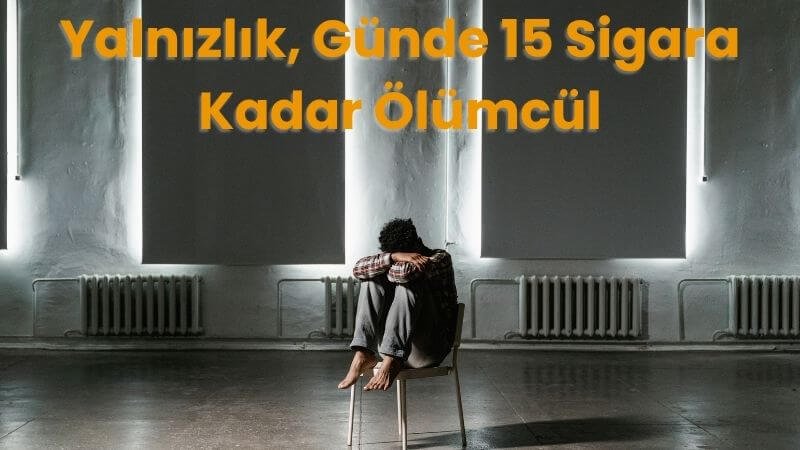
ABD Cerrahı Genelinin 2023 “Yalnızlık ve
İzolasyon Salgını” Raporu: Önemli Notlar
Başlıca bulgu: Yalnızlık ve sosyal izolasyon,
erken ölüm riskini günde 15 sigara içmeye eş değer artırıyor ve hem sağlık hem
ekonomi üzerinde ağır yük oluşturuyor. Altı sütundan oluşan ulusal strateji,
bireyden hükümete kadar çok katmanlı eylemler öneriyor.
1. Krizin Boyutu
- ABD’de
yetişkinlerin yaklaşık yarısı pandemi öncesinde zaten yalnızlık
bildiriyordu.
- Cerrahı
Genel Dr. Vivek Murthy, yalnızlık ve izolasyonu “toplumun dokusunu
tehdit eden bir halk sağlığı krizi” olarak tanımlıyor.
2. Bireysel Sağlık Etkileri
|
Sağlık Sonucu |
Göreli Risk Artışı |
|
Erken ölüm |
%26–29 |
|
Koroner kalp hastalığı |
%29 |
|
İnme |
%32 |
|
Demans (genel) |
%31 |
|
Demans (yaşlı yetişkin) |
%50 |
Biyolojik mekanizmalar: Süregen
yalnızlık; kronik inflamasyon, bağışıklık zayıflaması, kan basıncı yükselmesi
ve uyku bozukluklarıyla ilişkilidir.
3. Ekonomik ve Toplumsal Yük
|
Maliyet Kalemi |
Yıllık Ek Yük |
|
Yalnız Medicare yararlanıcılarının fazladan sağlık
harcaması |
6,7 milyar $ |
|
ABD işverenlerinin verimlilik-devamsızlık kaybı |
154 milyar $ |
|
BK işverenlerinin yalnızlık maliyeti |
2,5 milyar £ |
Yalnız çalışanlar daha fazla stres izni alıyor, işten
ayrılmaya iki kat yatkın ve performans düşüklüğü gösteriyor.
4. Risk Grupları ve Trendler
- Yaşlılar: Dul
kalma, emeklilik ve mobilite kaybı izolasyonu artırıyor.
- Genç
Yetişkinler (18-22): Dijitalleşme ve hibrit çalışma nedeniyle “en
yalnız kuşak” olarak tanımlanıyor.
- Pandemi
Etkisi: Sosyal ağlar 2019-2020 arasında ortalama %16 küçüldü.
- Sosyo-ekonomik
eşitsizlik: Düşük gelir-engelli bireylerde yalnızlık daha yüksek.
5. Ulusal Stratejinin Altı Sütunu ve Temel
Eylemler
- Sosyal
altyapıyı güçlendirme – Park, kütüphane, mahalle merkezlerine
yatırım; yürünebilir şehir tasarımları.
- Bağ-yanlısı
kamu politikaları – “Bağlantı-tüm politikalarda” yaklaşımı; toplu
taşıma, uygun fiyatlı konut, geniş bant erişimi.
- Sağlık
sektörünü mobilize etme – Hekimlere tarama araçları, sosyal
reçeteleme, halk sağlığı sürveyansı.
- Dijital
ortamı reforme etme – Veri şeffaflığı, gençler için güvenlik
standartları, ilişkiyi teşvik eden tasarımlar.
- Bilgiyi
derinleştirme – Yalnızlık-sağlık nedenselliğini izleyen ulusal
araştırma gündemi ve fonlar.
- Bağ
kuran kültür inşası – Naziklik ve hizmet değerlerini öne çıkaran
eğitim, medya ve liderlik modelleri.
6. Politika ve Uygulama Önerileri
Hükümetler
- Yerel
yatırım: Mahalle dayanışma merkezleri, çok kuşaklı etkinlik alanları.
- Yasal
düzenleme: Yalnızlık riskini sağlık göstergesi olarak izleyen mevzuat
ve bütçe kalemleri.
İş Dünyası
- Hibrit
çalışmada “ofis içi sosyalleşme günleri”, mentorluk eşleşmeleri, ekip
hizmet projeleri.
- Yalnızlık
taramalı çalışan destek programları; verimlilik kaybını tersine çevirir.
Sağlık Kurumları
- Birinci
basamakta yalnızlık tarama soruları; sosyal yönlendirme (topluluk
grupları, gönüllülük).
- Dijital
platformlarla kronik hastalar için çevrim içi destek grupları.
Topluluk ve STK’lar
- Yaşlılara
ziyaret programları, telefonda dost hatları.
- Gençleri
hedefleyen kulüp-spor-sanat inisiyatifleri; ekran süresi dengeleme.
Bireyler
- Günlük
yüz yüze etkileşim hedefi (komşu selamı, gönüllülük).
- Sosyal
medya kullanımına zaman sınırı; “dijital şabat” rutinleri.
7. Sonuç
Yalnızlık, sigara, obezite ve fiziksel hareketsizlik
kadar ölümcül bir sessiz salgın hâline gelmiştir. Sağlık
sistemleri, işverenler ve yerel yönetimler bütüncül bağ kurma stratejileri geliştirmediği
takdirde hem yaşam süresi hem de ekonomik verimlilik düşmeye devam edecektir.
Altı sütunlu ulusal çerçeve; kent planlamasından dijital yönetişime, iş-yaşam
dengesinden bireysel nezakete kadar çok ölçekli müdahaleler sunarak
sürdürülebilir çözüme giden yol haritasını çiziyor.
Özetlemek gerekirse;
- Yalnızlık,
erken ölüm riskini %26-29 artırıyor ve kalp-beyin hastalıklarına güçlü
zemin hazırlıyor.
- ABD’de
yalnızlığın yıllık maliyeti ≥160 milyar $; sağlık harcamaları ve iş
gücü kaybı bu yükün başlıca kalemleri.
- Altı
sütunlu strateji, sosyal altyapı yatırımı ve dijital ortam
reformundan kültürel dönüşüme kadar entegre önlemler öngörüyor.
- Politik,
kurumsal ve bireysel düzeyde eş-zamanlı eylem, uzun ömürlü ve
dirençli toplumlar yaratmanın anahtarıdır.
Yorum bırak